

A hydraulic oil cooler is an essential component in hydraulic systems used across industries such as construction, manufacturing, agriculture, mining, and transportation. Hydraulic equipment generates heat during operation, and excessive temperatures can reduce efficiency, damage hydraulic components, and shorten equipment life. Installing a high-quality hydraulic oil cooler helps maintain the correct oil temperature, ensuring smooth operation and reliable performance.
Modern hydraulic systems rely on clean and cool hydraulic oil to transfer power efficiently. When oil temperature rises beyond the recommended range, viscosity decreases, lubrication becomes less effective, and system components experience increased wear. This is where a hydraulic oil cooler becomes indispensable. Whether you operate excavators, loaders, tractors, cranes, or industrial machinery, choosing the right cooling solution improves productivity while reducing maintenance costs.
What Is a Hydraulic Oil Cooler?
A hydraulic oil cooler is a heat exchanger designed to remove excess heat from hydraulic oil. It transfers heat from the hydraulic fluid to either air or water, depending on the cooling system design. By maintaining the ideal operating temperature, the cooler ensures the hydraulic system performs efficiently under continuous operation.
Hydraulic oil circulates through pumps, valves, cylinders, and motors during operation. Friction and pressure generate heat, which gradually increases oil temperature. Without proper cooling, the hydraulic system may experience overheating, reduced efficiency, seal damage, and unexpected equipment failure. A dependable hydraulic oil cooler prevents these problems while extending the lifespan of hydraulic components.
How Does a Hydraulic Oil Cooler Work?
The working principle of a hydraulic oil cooler is simple yet highly effective. Hot hydraulic oil enters the cooler and flows through specially designed tubes or plates. Cooling air or water absorbs the heat from the oil before the cooled hydraulic fluid returns to the hydraulic system.
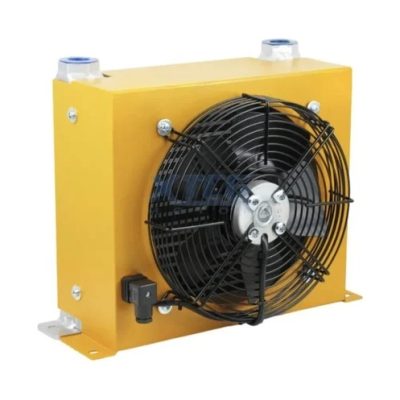
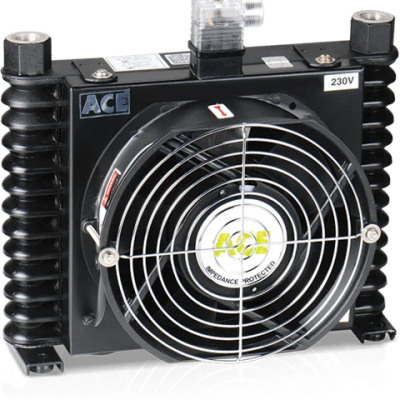
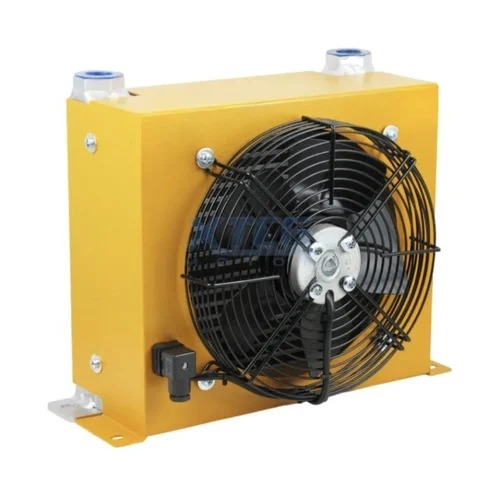
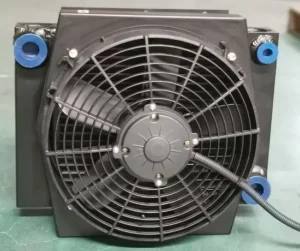
In air-cooled models, an electric or hydraulic fan forces air across cooling fins to remove heat. Water-cooled models circulate water around the heat exchanger, making them ideal for industrial applications where water is readily available.
This continuous cooling process keeps hydraulic oil within the recommended temperature range, ensuring stable system performance even under heavy workloads.
Types of Hydraulic Oil Coolers
Air-Cooled Hydraulic Oil Cooler
Air-cooled models use ambient air and cooling fans to reduce hydraulic oil temperature. These coolers are easy to install, require minimal maintenance, and are suitable for mobile equipment such as tractors, excavators, forklifts, and construction machinery.
Water-Cooled Hydraulic Oil Cooler
Water-cooled systems provide higher cooling efficiency than air-cooled models. They are commonly used in industrial plants, manufacturing facilities, marine equipment, and heavy-duty hydraulic systems where continuous cooling is essential.
Plate-Type Hydraulic Oil Cooler
Plate-type coolers offer excellent heat transfer efficiency while occupying minimal space. Their compact design makes them suitable for modern hydraulic equipment with limited installation space.
Tube-and-Fin Hydraulic Oil Cooler
Tube-and-fin coolers are widely used because of their durability, affordability, and excellent airflow characteristics. They perform well in harsh operating conditions.
Benefits of Using a Hydraulic Oil Cooler
Installing a hydraulic oil cooler provides numerous advantages for industrial and mobile hydraulic systems.
Prevents Overheating
One of the biggest benefits is preventing excessive oil temperature. Stable temperatures reduce thermal stress on hydraulic components.
Extends Equipment Life
Proper cooling protects pumps, cylinders, seals, valves, and hoses from premature wear, increasing overall equipment lifespan.
Improves System Efficiency
Hydraulic systems operate more efficiently when oil remains at the correct viscosity. A cooler maintains consistent fluid properties for better power transmission.
Reduces Maintenance Costs
Lower operating temperatures minimize component damage, reducing repair frequency and maintenance expenses.
Enhances Productivity
Machines with effective cooling systems can operate continuously for longer periods without overheating or unexpected shutdowns.
Saves Energy
Efficient cooling reduces system strain, helping hydraulic equipment consume less energy while maintaining peak performance.
Applications of Hydraulic Oil Coolers
A hydraulic oil cooler is used in a wide range of industries and equipment, including:
- Construction machinery
- Excavators
- Cranes
- Bulldozers
- Agricultural tractors
- Harvesters
- Hydraulic presses
- Injection molding machines
- Mining equipment
- Marine hydraulic systems
- Industrial automation
- Manufacturing plants
- Material handling equipment
- Forklifts
These applications rely on consistent hydraulic performance, making proper oil cooling an essential requirement.
How to Choose the Best Hydraulic Oil Cooler
Selecting the right hydraulic oil cooler depends on several important factors.
Cooling Capacity
Choose a cooler capable of handling your hydraulic system’s heat load. Undersized coolers cannot maintain the required oil temperature.
Flow Rate
Ensure the cooler supports the hydraulic oil flow rate without causing excessive pressure drop.
Operating Environment
Dusty, humid, or high-temperature environments require durable coolers with corrosion-resistant materials.
Size and Installation
Measure available installation space before selecting the cooler. Compact systems often benefit from plate-type designs.
Material Quality
Look for aluminum, stainless steel, or corrosion-resistant materials that provide excellent heat transfer and durability.
Maintenance Requirements
Select a cooler that is easy to clean and inspect, ensuring long-term performance with minimal downtime.
Maintenance Tips for Hydraulic Oil Coolers
Regular maintenance helps maximize the performance and lifespan of your hydraulic oil cooler.
Inspect cooling fins for dirt and debris that may block airflow. Clean the cooler regularly to maintain efficient heat transfer. Check hydraulic oil quality and replace contaminated fluid according to manufacturer recommendations. Inspect hoses and fittings for leaks or damage. Monitor oil temperature during operation to identify cooling problems early. Replace damaged fans or clogged heat exchangers promptly to prevent overheating.
Preventive maintenance reduces unexpected failures while ensuring reliable hydraulic system performance.
Common Signs of Hydraulic Oil Cooler Failure
Recognizing early warning signs helps prevent expensive repairs.
- High hydraulic oil temperature
- Reduced hydraulic performance
- Frequent system shutdowns
- Oil leaks around the cooler
- Damaged cooling fins
- Excessive fan noise
- Low system efficiency
- Burnt hydraulic oil smell
Ignoring these symptoms may lead to serious hydraulic system damage.
Why Investing in a Quality Hydraulic Oil Cooler Matters
A premium is more than just an accessory—it is a critical investment in equipment reliability. High-quality coolers offer better heat transfer, stronger construction, longer service life, and improved operating efficiency. They help businesses reduce downtime, lower maintenance expenses, and improve productivity.
Whether your hydraulic system operates occasionally or continuously, maintaining proper oil temperature ensures smooth performance and protects expensive hydraulic components from unnecessary wear.
Frequently Asked Questions
What is the purpose of a hydraulic oil cooler?
A hydraulic oil cooler removes excess heat from hydraulic fluid, maintaining the proper operating temperature and improving system efficiency.
Which is better: air-cooled or water-cooled
Air-cooled models are ideal for mobile equipment, while water-cooled systems provide superior cooling for heavy industrial applications.
How often should a hydraulic oil cooler be cleaned?
Cleaning frequency depends on operating conditions, but regular inspections and cleaning every few months help maintain cooling efficiency.
Can overheating damage hydraulic systems?
Yes. Excessive heat reduces oil viscosity, damages seals, increases component wear, and shortens equipment lifespan.