


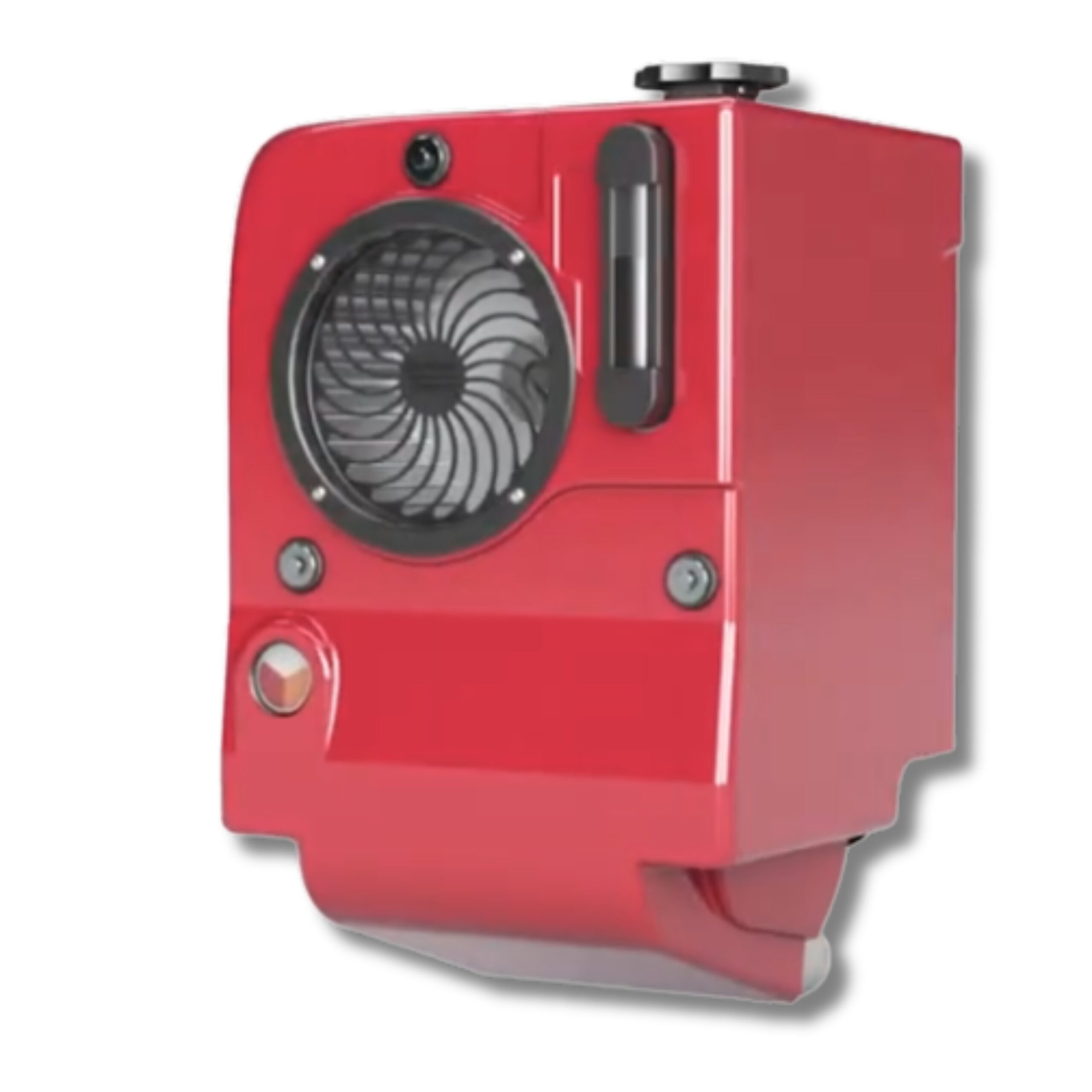
A hydraulic oil cooler is one of the most important components of any hydraulic system. It helps maintain the correct oil temperature, ensuring maximum efficiency, improved equipment performance, and longer component life. Hydraulic systems generate a significant amount of heat during operation. Without proper cooling, hydraulic oil can lose its viscosity, resulting in poor lubrication, increased wear, and reduced system performance. Whether you operate industrial machinery, construction equipment, agricultural machines, or manufacturing systems, installing the right hydraulic oil cooler can significantly improve reliability and reduce maintenance costs. In this guide, you’ll learn everything about hydraulic oil coolers, including their working principle, advantages, types, applications, maintenance, and buying tips. What Is a Hydraulic Oil Cooler? A hydraulic oil cooler is a heat exchanger designed to remove excess heat from hydraulic oil. During machine operation, hydraulic fluid absorbs heat from pumps, valves, motors, and other components. The cooler transfers this heat to either air or water, allowing the oil to return to an ideal operating temperature. Maintaining proper oil temperature is essential because excessive heat can damage seals, reduce oil quality, and shorten the lifespan of hydraulic components. How Does a Hydraulic Oil Cooler Work? The working principle of a hydraulic oil cooler is simple yet highly effective. Hot hydraulic oil flows through the cooler’s internal passages while a cooling medium—either air or water—absorbs the heat. After cooling, the oil returns to the hydraulic reservoir and continues circulating throughout the system. The cooling process helps maintain consistent hydraulic pressure, improves lubrication, and prevents overheating during continuous operation. Why Is a Hydraulic Oil Cooler Important? Hydraulic systems perform best within a specific temperature range. When temperatures rise above recommended levels, several problems may occur: Reduced hydraulic efficiency Oil oxidation Seal failure Increased component wear Pump damage Higher maintenance costs Unexpected equipment downtime Using a quality helps eliminate these issues and ensures reliable machine performance. Benefits of Using a Hydraulic Oil Cooler 1. Prevents Overheating The primary purpose of a is to keep oil temperatures under control, preventing thermal damage. 2. Extends Equipment Life Cool hydraulic oil protects pumps, cylinders, motors, and valves from premature wear. 3. Improves System Efficiency Maintaining proper oil viscosity allows hydraulic systems to operate smoothly with minimal energy loss. 4. Reduces Maintenance Costs Lower operating temperatures reduce the frequency of oil changes and component replacements. 5. Enhances Productivity Machines operate continuously without overheating, increasing overall productivity. 6. Improves Oil Life Hydraulic oil lasts longer when it operates within the recommended temperature range. Types of Hydraulic Oil Coolers Air-cooled models use a fan to blow air across cooling fins. Heat is transferred from the hydraulic oil to the surrounding air. Advantages: Easy installation Low maintenance No water supply required Cost-effective Best for: Mobile equipment Construction machinery Agricultural equipment Mining vehicles Water-Cooled Hydraulic Oil Cooler Water-cooled systems use water as the cooling medium. These provide excellent cooling efficiency for high-temperature applications. Advantages: High cooling capacity Suitable for continuous industrial use Compact design Best for: Manufacturing plants Industrial presses Plastic injection molding machines Marine applications Common Applications A hydraulic oil cooler is used in many industries, including: Construction equipment Excavators Cranes Forklifts Agricultural tractors Hydraulic power packs CNC machines Plastic molding machines Steel plants Marine hydraulic systems Mining equipment Industrial automation Signs Your Hydraulic System Needs Better Cooling Your hydraulic system may require a new hydraulic oil cooler if you notice: Oil temperature exceeding recommended limits Reduced hydraulic power Frequent machine shutdowns Burnt oil smell Pump noise Seal leakage Slow cylinder movement Increased oil consumption Ignoring these warning signs can lead to expensive repairs. How to Choose the Right Hydraulic Oil Cooler Selecting the correct hydraulic oil cooler depends on several factors. Cooling Capacity Choose a cooler capable of handling your system’s heat load. Oil Flow Rate Ensure the cooler supports your hydraulic system’s flow requirements. Operating Temperature Verify the maximum operating temperature of your equipment. Pressure Rating The cooler should withstand the hydraulic system’s operating pressure. Installation Space Measure the available installation area before purchasing. Environmental Conditions Consider dust, humidity, ambient temperature, and airflow. Material Quality High-quality aluminum and stainless steel offer better durability and corrosion resistance. Hydraulic Oil Cooler Maintenance Tips Proper maintenance keeps your working efficiently. Clean cooling fins regularly. Inspect hoses for leaks. Replace damaged seals immediately. Monitor oil temperature. Check fan operation. Flush water-cooled systems periodically. Maintain recommended oil levels. Replace hydraulic oil according to manufacturer guidelines. Routine maintenance prevents costly downtime and extends equipment life. Common Hydraulic Oil Cooler Problems Even the best hydraulic oil cooler may experience issues over time. Blocked Cooling Fins Dust and debris reduce airflow, decreasing cooling performance. Oil Leakage Damaged seals or cracked hoses may cause hydraulic oil leaks. Fan Failure A faulty cooling fan can quickly lead to overheating. Internal Blockage Contaminated oil may clog internal passages, reducing heat transfer. Corrosion Poor-quality water or harsh environments can damage water-cooled units. Regular inspection helps identify these issues before they become serious. Factors Affecting Cooling Performance Several factors influence the efficiency of a Hydraulic Oil Cooler Ambient temperature Oil flow rate Airflow Cooler size Oil cleanliness Pump efficiency Cooling fan performance System pressure Optimizing these factors improves overall cooling efficiency. Energy Efficiency and Cost Savings An efficient hydraulic oil cooler helps reduce operating costs by lowering energy consumption and preventing equipment failures. Cooler hydraulic systems experience less friction, which reduces the workload on pumps and motors. This translates into lower electricity or fuel costs and improved machine performance over time. Frequently Asked Questions What is the ideal hydraulic oil temperature? Most hydraulic systems perform best between 40°C and 60°C, though the exact range depends on the equipment manufacturer. Can hydraulic oil overheat without a cooler? Yes. Systems operating under heavy loads or in high-temperature environments can overheat without adequate cooling. How often should a hydraulic oil cooler be cleaned? Inspection should be done monthly, while cleaning frequency depends on the operating environment. Dusty conditions may require more frequent maintenance. Which is better: air-cooled or water-cooled? Air-cooled units are easier to install and
Hydraulic Oil Cooler: Complete Guide to Efficient Hydraulic System Cooling
A Hydraulic Oil Cooler is one of the most important components in any hydraulic system. Whether used in industrial machinery, construction equipment, agricultural machines, or manufacturing plants, a Hydraulic Oil Cooler helps maintain the correct oil temperature for smooth and reliable operation. Hydraulic systems generate a significant amount of heat during continuous operation. If this heat is not controlled, the hydraulic oil begins to lose its lubrication properties, causing excessive wear on pumps, valves, cylinders, and seals. Installing a high-quality prevents overheating, extends equipment life, and improves overall system performance. In this guide, you’ll learn everything about a , including how it works, its benefits, different types, applications, maintenance tips, and how to choose the best cooler for your hydraulic system. What Is a Hydraulic Oil Cooler? A Hydraulic Oil Cooler is a heat exchanger designed to remove excess heat from hydraulic oil. During operation, hydraulic oil absorbs heat from pumps, motors, and other hydraulic components. The Hydraulic Oil Cooler transfers this heat to air or water, keeping the oil within the recommended operating temperature. Maintaining the correct oil temperature is essential because overheated hydraulic oil loses viscosity, reduces lubrication efficiency, and increases the risk of equipment failure. Why Is a Hydraulic Oil Cooler Important? Hydraulic systems operate under high pressure and heavy loads. Continuous use causes hydraulic oil to heat up rapidly. Without an efficient excessive heat can damage the entire hydraulic system. A properly selected Hydraulic Oil Cooler offers several advantages: Prevents hydraulic oil overheating Improves equipment performance Extends hydraulic component life Reduces maintenance costs Minimizes machine downtime Maintains oil viscosity Increases operational efficiency Enhances system reliability For industries that rely on hydraulic machinery, a Hydraulic Oil Cooler is not just an accessory—it is a necessity. How Does a Hydraulic Oil Cooler Work? Aworks by transferring heat from hydraulic oil to another cooling medium. The process is simple: Hot hydraulic oil enters the cooler. Heat passes through metal tubes or plates. Air or water absorbs the heat. Cooled hydraulic oil returns to the hydraulic system. This continuous cooling cycle maintains an optimal operating temperature and protects hydraulic components from heat-related damage. Types of Hydraulic Oil Cooler An air-cooled uses ambient air and an electric or hydraulic fan to cool hydraulic oil. Advantages: Easy installation Low maintenance No water supply required Ideal for mobile equipment Energy efficient Applications include excavators, cranes, forklifts, tractors, and industrial machines. Water-Cooled Hydraulic Oil Cooler A water-cooled uses circulating water to remove heat from hydraulic oil. Benefits include: Higher cooling efficiency Suitable for continuous operation Excellent for high-temperature environments Compact design These coolers are commonly used in factories, marine systems, steel plants, and heavy manufacturing industries. Applications of Hydraulic Oil Cooler A widely used across multiple industries where hydraulic systems operate continuously. Common applications include: Construction equipment Hydraulic presses Injection molding machines Agricultural machinery Mining equipment Marine hydraulic systems CNC machines Industrial automation Power plants Material handling equipment No matter the industry, a Hydraulic Oil Cooler helps maintain consistent machine performance. Benefits of Using a Hydraulic Oil Cooler Improved Equipment Life A reduces heat stress on hydraulic components, extending the lifespan of pumps, seals, motors, and valves. Better Hydraulic Efficiency Proper oil temperature ensures smooth hydraulic operation, faster response times, and consistent system pressure. Reduced Maintenance Costs Overheated oil causes faster wear and contamination. A helps minimize repairs and maintenance expenses. Lower Downtime Unexpected equipment failure can interrupt production. A significantly reduces breakdowns caused by overheating. Energy Savings Maintaining the correct oil temperature reduces system strain, helping equipment operate more efficiently and consume less energy. Signs You Need a Hydraulic Oil Cooler If your hydraulic system experiences any of the following problems, it may require a larger cooling capacity. Hydraulic oil temperature is too high. Machine performance decreases. Pumps become noisy. Oil changes become frequent. Hydraulic seals fail regularly. Equipment shuts down due to overheating. Hydraulic oil darkens quickly. System efficiency decreases. Ignoring these warning signs can lead to expensive repairs. How to Choose the Best Hydraulic Oil Cooler Selecting the right depends on several important factors. Cooling Capacity Choose a cooler capable of removing the required amount of heat generated by your hydraulic system. Flow Rate Ensure the Hydraulic Oil Cooler supports the system’s oil flow without causing excessive pressure drop. Operating Temperature Consider both maximum oil temperature and surrounding environmental conditions. Pressure Rating The Hydraulic Oil Cooler should withstand your hydraulic system’s operating pressure safely. Installation Space Measure available installation space before selecting the cooler size. Maintenance Requirements Choose a Hydraulic Oil Cooler that allows easy cleaning and maintenance for long-term reliability. Hydraulic Oil Cooler Maintenance Tips Proper maintenance keeps a operating efficiently. Maintenance checklist: Clean cooling fins regularly. Inspect fans for proper operation. Check for oil leaks. Monitor oil temperature. Replace damaged hoses. Clean water passages if using water-cooled models. Check mounting bolts. Follow manufacturer maintenance schedules. Routine maintenance extends the life of both the Hydraulic Oil Cooler and the hydraulic system. Common Hydraulic Oil Cooler Problems Even high-quality equipment can develop issues over time. Common problems include: Blocked cooling fins Fan motor failure Internal clogging Oil leakage Corrosion Reduced airflow Water contamination Damaged heat exchanger tubes Regular inspections help identify these issues before they become major failures. Industries That Depend on Hydraulic Oil Cooler Many industries rely heavily on for reliable daily operations. These industries include: Manufacturing Automotive Mining Agriculture Construction Marine Oil and gas Steel production Material handling Industrial automation Without an efficient hydraulic equipment in these industries would face frequent overheating and costly downtime. Future of Hydraulic Oil Cooler Technology Modern technology continues to evolve with improved heat exchanger designs, energy-efficient cooling fans, smart temperature monitoring, and compact construction. Many manufacturers now integrate sensors that monitor oil temperature in real time, helping operators prevent overheating before it affects performance. These innovations improve reliability while reducing maintenance costs and energy consumption. Conclusion A essential component for maintaining hydraulic system performance, efficiency, and reliability. By controlling oil temperature, it protects expensive hydraulic components, reduces maintenance costs, minimizes downtime, and increases equipment
Hydraulic Oil Cooler: The Complete Guide to Efficient Hydraulic System Cooling
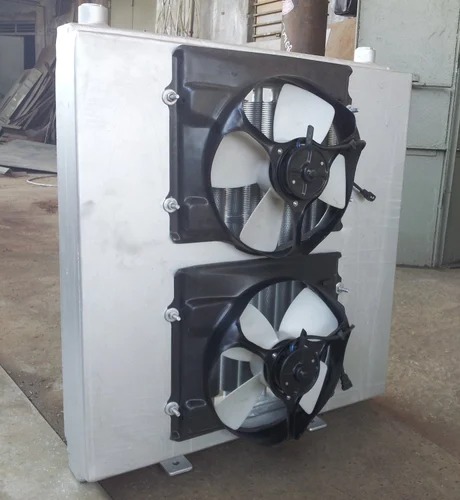
Introduction A hydraulic oil cooler is one of the most important components in any hydraulic system. It helps maintain the ideal operating temperature of hydraulic oil, ensuring smooth machine performance, longer equipment life, and lower maintenance costs. Whether you use hydraulic machinery in construction, manufacturing, agriculture, mining, or industrial applications, installing a high-quality hydraulic oil cooler can significantly improve system efficiency. Hydraulic systems generate a considerable amount of heat during operation. If this heat is not controlled, it can damage seals, reduce oil quality, increase wear on components, and lead to expensive downtime. A reliable hydraulic oil cooler removes excess heat from the hydraulic fluid, allowing the system to perform consistently even under demanding working conditions. This guide explains everything you need to know about hydraulic oil coolers, including how they work, their benefits, different types, applications, maintenance tips, and how to choose the right model for your hydraulic system. What Is a Hydraulic Oil Cooler? A hydraulic oil is a heat exchanger specifically designed to reduce the temperature of hydraulic oil. As hydraulic fluid circulates through pumps, valves, cylinders, and motors, friction creates heat. The oil cooler transfers this heat to either air or water, keeping the hydraulic oil within the recommended operating temperature. Maintaining the correct oil temperature is essential because overheated hydraulic oil loses its lubrication properties, reducing system efficiency and increasing the risk of component failure. Why Is a Hydraulic Oil Cooler Important? Using provides several important benefits for hydraulic systems. First, it prevents overheating by maintaining a stable oil temperature. This helps hydraulic pumps and motors operate efficiently even during continuous operation. Second, it extends hydraulic oil life. High temperatures accelerate oil oxidation, reducing lubrication quality. Proper cooling slows this process and reduces oil replacement costs. Third, a hydraulic oil cooler protects expensive hydraulic components. Lower temperatures reduce wear on seals, hoses, valves, bearings, and cylinders. Another major benefit is improved machine performance. When hydraulic oil remains at the correct temperature, pressure remains stable, resulting in smoother and more reliable operation. Finally, a hydraulic oil cooler reduces maintenance costs by preventing overheating-related failures and minimizing unexpected downtime. How Does a Hydraulic Oil Cooler Work? The working principle of a is simple yet highly effective. Hot hydraulic oil leaves the hydraulic system and flows through the cooler. Inside the cooler, heat transfers through metal tubes or plates. Depending on the cooler type, either air or water removes this heat. In an air-cooled hydraulic oil cooler, a fan forces air across cooling fins, carrying away heat from the hydraulic oil. In a water-cooled hydraulic oil cooler, cold water flows around the internal tubes, absorbing heat much faster than air. After cooling, the hydraulic oil returns to the hydraulic reservoir, ready to circulate through the system again. This continuous cooling cycle maintains optimal operating temperatures throughout machine operation. Types of Hydraulic Oil Coolers Air-Cooled Hydraulic Oil Cooler An air-cooled uses a fan to blow air across aluminum cooling fins. It is widely used because it is easy to install, requires minimal maintenance, and does not require a water supply. Advantages include simple installation, low operating cost, and suitability for outdoor applications. Water-Cooled Hydraulic Oil Cooler A water-cooled transfers heat using water. It provides excellent cooling efficiency and is commonly installed in factories where water is readily available. These coolers are ideal for heavy-duty industrial applications requiring continuous cooling. Plate Hydraulic Oil Cooler Plate coolers use stacked metal plates to maximize heat transfer efficiency. Their compact design makes them suitable for installations where space is limited. Shell and Tube Hydraulic Oil Cooler Shell and tube coolers are designed for high-pressure hydraulic systems. They offer excellent durability and long service life in demanding industrial environments. Applications of Hydraulic Oil Coolers A hydraulic oil cooler is used across many industries because hydraulic systems generate heat in almost every application. Common industries include: Construction equipment Excavators Bulldozers Agricultural tractors Harvesters CNC machines Hydraulic presses Injection molding machines Mining equipment Marine hydraulic systems Material handling equipment Industrial manufacturing plants Power generation systems Mobile hydraulic machinery Regardless of the industry, maintaining hydraulic oil temperature improves machine reliability and operational efficiency. Benefits of Installing a Hydraulic Oil Cooler Choosing the right provides several long-term advantages. It increases equipment lifespan by reducing thermal stress on hydraulic components. It improves energy efficiency because hydraulic pumps perform better with properly cooled oil. It reduces hydraulic oil degradation, allowing longer service intervals. It minimizes equipment downtime by preventing overheating-related failures. It supports continuous operation in demanding industrial environments. It improves overall hydraulic system performance while reducing maintenance expenses. How to Choose the Right Hydraulic Oil Cooler Selecting the correct hydraulic oil cooler depends on several important factors. Cooling Capacity Calculate the amount of heat generated by your hydraulic system. Choose a cooler capable of removing that heat efficiently. Flow Rate Ensure the hydraulic oil cooler supports your system’s oil flow rate without causing excessive pressure drop. Operating Pressure Select a cooler rated for your hydraulic system’s maximum operating pressure. Ambient Temperature Machines operating in hot climates require larger cooling capacity compared to cooler environments. Installation Space Consider the available mounting space before choosing between compact plate coolers or larger air-cooled models. Maintenance Requirements Choose a that allows easy cleaning and maintenance for long-term reliability. Hydraulic Oil Cooler Maintenance Tips Proper maintenance helps maximize the performance and lifespan Clean cooling fins regularly to remove dust, dirt, and debris. Inspect hydraulic hoses for leaks. Monitor hydraulic oil temperature during operation. Replace damaged seals immediately. Flush water-cooled systems periodically to remove scale buildup. Check fan motors for proper operation. Use clean hydraulic oil according to manufacturer recommendations. Regular inspections help identify potential issues before they become expensive repairs. Signs Your Hydraulic Oil Cooler Needs Replacement Several warning signs indicate that your may require replacement. Frequent hydraulic system overheating. Visible oil leakage around the cooler. Blocked or damaged cooling fins. Reduced cooling efficiency. High hydraulic oil temperature alarms. Corrosion inside water-cooled units. Unusual pressure drops. Replacing a failing hydraulic oil cooler promptly helps
Hydraulic Oil Cooler: The Complete Guide to Improved Hydraulic System Performance
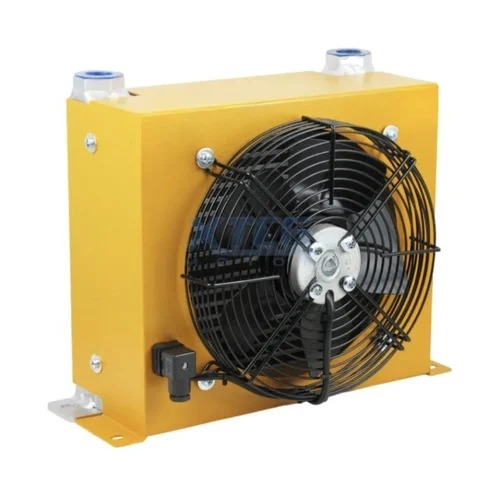
A hydraulic oil cooler is an essential component in hydraulic systems used across industries such as construction, manufacturing, agriculture, mining, and transportation. Hydraulic equipment generates heat during operation, and excessive temperatures can reduce efficiency, damage hydraulic components, and shorten equipment life. Installing a high-quality hydraulic oil cooler helps maintain the correct oil temperature, ensuring smooth operation and reliable performance. Modern hydraulic systems rely on clean and cool hydraulic oil to transfer power efficiently. When oil temperature rises beyond the recommended range, viscosity decreases, lubrication becomes less effective, and system components experience increased wear. This is where a hydraulic oil cooler becomes indispensable. Whether you operate excavators, loaders, tractors, cranes, or industrial machinery, choosing the right cooling solution improves productivity while reducing maintenance costs. What Is a Hydraulic Oil Cooler? A hydraulic oil cooler is a heat exchanger designed to remove excess heat from hydraulic oil. It transfers heat from the hydraulic fluid to either air or water, depending on the cooling system design. By maintaining the ideal operating temperature, the cooler ensures the hydraulic system performs efficiently under continuous operation. Hydraulic oil circulates through pumps, valves, cylinders, and motors during operation. Friction and pressure generate heat, which gradually increases oil temperature. Without proper cooling, the hydraulic system may experience overheating, reduced efficiency, seal damage, and unexpected equipment failure. A dependable hydraulic oil cooler prevents these problems while extending the lifespan of hydraulic components. How Does a Hydraulic Oil Cooler Work? The working principle of a hydraulic oil cooler is simple yet highly effective. Hot hydraulic oil enters the cooler and flows through specially designed tubes or plates. Cooling air or water absorbs the heat from the oil before the cooled hydraulic fluid returns to the hydraulic system. In air-cooled models, an electric or hydraulic fan forces air across cooling fins to remove heat. Water-cooled models circulate water around the heat exchanger, making them ideal for industrial applications where water is readily available. This continuous cooling process keeps hydraulic oil within the recommended temperature range, ensuring stable system performance even under heavy workloads. Types of Hydraulic Oil Coolers Air-Cooled Hydraulic Oil Cooler Air-cooled models use ambient air and cooling fans to reduce hydraulic oil temperature. These coolers are easy to install, require minimal maintenance, and are suitable for mobile equipment such as tractors, excavators, forklifts, and construction machinery. Water-Cooled Hydraulic Oil Cooler Water-cooled systems provide higher cooling efficiency than air-cooled models. They are commonly used in industrial plants, manufacturing facilities, marine equipment, and heavy-duty hydraulic systems where continuous cooling is essential. Plate-Type Hydraulic Oil Cooler Plate-type coolers offer excellent heat transfer efficiency while occupying minimal space. Their compact design makes them suitable for modern hydraulic equipment with limited installation space. Tube-and-Fin Hydraulic Oil Cooler Tube-and-fin coolers are widely used because of their durability, affordability, and excellent airflow characteristics. They perform well in harsh operating conditions. Benefits of Using a Hydraulic Oil Cooler Installing a hydraulic oil cooler provides numerous advantages for industrial and mobile hydraulic systems. Prevents Overheating One of the biggest benefits is preventing excessive oil temperature. Stable temperatures reduce thermal stress on hydraulic components. Extends Equipment Life Proper cooling protects pumps, cylinders, seals, valves, and hoses from premature wear, increasing overall equipment lifespan. Improves System Efficiency Hydraulic systems operate more efficiently when oil remains at the correct viscosity. A cooler maintains consistent fluid properties for better power transmission. Reduces Maintenance Costs Lower operating temperatures minimize component damage, reducing repair frequency and maintenance expenses. Enhances Productivity Machines with effective cooling systems can operate continuously for longer periods without overheating or unexpected shutdowns. Saves Energy Efficient cooling reduces system strain, helping hydraulic equipment consume less energy while maintaining peak performance. Applications of Hydraulic Oil Coolers A hydraulic oil cooler is used in a wide range of industries and equipment, including: Construction machinery Excavators Cranes Bulldozers Agricultural tractors Harvesters Hydraulic presses Injection molding machines Mining equipment Marine hydraulic systems Industrial automation Manufacturing plants Material handling equipment Forklifts These applications rely on consistent hydraulic performance, making proper oil cooling an essential requirement. How to Choose the Best Hydraulic Oil Cooler Selecting the right hydraulic oil cooler depends on several important factors. Cooling Capacity Choose a cooler capable of handling your hydraulic system’s heat load. Undersized coolers cannot maintain the required oil temperature. Flow Rate Ensure the cooler supports the hydraulic oil flow rate without causing excessive pressure drop. Operating Environment Dusty, humid, or high-temperature environments require durable coolers with corrosion-resistant materials. Size and Installation Measure available installation space before selecting the cooler. Compact systems often benefit from plate-type designs. Material Quality Look for aluminum, stainless steel, or corrosion-resistant materials that provide excellent heat transfer and durability. Maintenance Requirements Select a cooler that is easy to clean and inspect, ensuring long-term performance with minimal downtime. Maintenance Tips for Hydraulic Oil Coolers Regular maintenance helps maximize the performance and lifespan of your hydraulic oil cooler. Inspect cooling fins for dirt and debris that may block airflow. Clean the cooler regularly to maintain efficient heat transfer. Check hydraulic oil quality and replace contaminated fluid according to manufacturer recommendations. Inspect hoses and fittings for leaks or damage. Monitor oil temperature during operation to identify cooling problems early. Replace damaged fans or clogged heat exchangers promptly to prevent overheating. Preventive maintenance reduces unexpected failures while ensuring reliable hydraulic system performance. Common Signs of Hydraulic Oil Cooler Failure Recognizing early warning signs helps prevent expensive repairs. High hydraulic oil temperature Reduced hydraulic performance Frequent system shutdowns Oil leaks around the cooler Damaged cooling fins Excessive fan noise Low system efficiency Burnt hydraulic oil smell Ignoring these symptoms may lead to serious hydraulic system damage. Why Investing in a Quality Hydraulic Oil Cooler Matters A premium is more than just an accessory—it is a critical investment in equipment reliability. High-quality coolers offer better heat transfer, stronger construction, longer service life, and improved operating efficiency. They help businesses reduce downtime, lower maintenance expenses, and improve productivity. Whether your hydraulic system operates occasionally or continuously, maintaining proper oil temperature ensures smooth performance
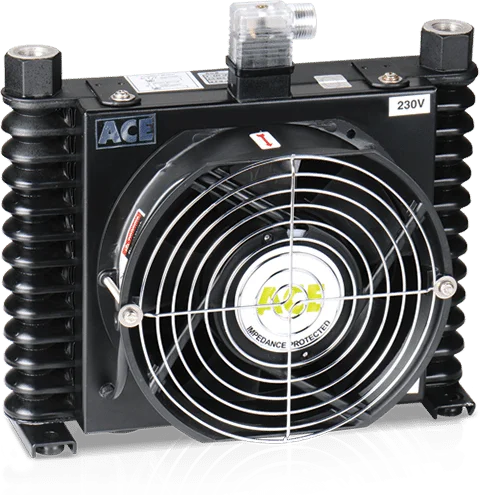
Hydraulic Oil Cooler: Complete Buying Guide & Benefits
Introduction A Hydraulic Oil Cooler is an essential component in any hydraulic system because it helps maintain the proper operating temperature of hydraulic oil. During continuous machine operation, hydraulic fluid absorbs heat generated by pumps, valves, motors, and cylinders. If this heat is not controlled, the oil begins to lose its viscosity, reducing lubrication and increasing wear on expensive hydraulic components. Whether you use hydraulic systems in construction equipment, agricultural machinery, manufacturing plants, mining equipment, or industrial machines, installing a high-quality hydraulic oil cooler significantly improves system performance and reliability. It also helps reduce maintenance costs and extends the service life of your equipment. This guide explains everything you need to know about hydraulic oil coolers, including how they work, their benefits, types, applications, maintenance, and buying tips. Hydraulic Oil Cooler What Is a Hydraulic Oil Cooler? A hydraulic oil cooler is a heat exchanger designed to remove excess heat from hydraulic fluid. Its primary function is to keep the hydraulic oil at an ideal operating temperature so that the entire hydraulic system performs efficiently. As hydraulic oil circulates through the system, it becomes hot due to pressure and friction. The hydraulic oil cooler transfers this heat to either air or water, allowing the cooled oil to return to the system. This continuous cooling process protects hydraulic components from overheating and improves machine efficiency. How Does a Hydraulic Oil Cooler Work? The working process of a hydraulic oil cooler is simple yet highly effective. Hot hydraulic oil enters the cooler through an inlet. Inside the cooler, heat is transferred through metal tubes, plates, or cooling fins. Depending on the cooler type, either air or water absorbs this heat. The cooled hydraulic oil then flows back into the hydraulic system and continues lubricating and powering the equipment. By continuously removing excess heat, the cooler ensures stable operating temperatures and smooth machine performance. Benefits of Using a Hydraulic Oil Cooler Installing a hydraulic oil cooler offers several important advantages. One of the biggest benefits is preventing overheating. Excessive temperatures can damage hydraulic pumps, seals, hoses, cylinders, and valves. Proper cooling protects these expensive components. Another major benefit is improved equipment life. Hydraulic oil maintains its lubricating properties at the correct temperature, reducing friction and wear inside the system. A hydraulic oil cooler also improves system efficiency by maintaining proper oil viscosity. Stable oil temperature allows pumps and motors to operate at their designed performance levels. Maintenance costs are also reduced because the chances of oil degradation, seal failure, and unexpected breakdowns become much lower. Businesses benefit from increased productivity since machines experience fewer shutdowns caused by overheating. Types of Hydraulic Oil Coolers Air-Cooled Hydraulic Oil Cooler Air-cooled hydraulic oil coolers use cooling fins and an electric or hydraulic fan to remove heat from the oil. These coolers are easy to install and require minimal maintenance. They are commonly used in excavators, tractors, forklifts, cranes, mobile hydraulic equipment, and agricultural machinery where water is not readily available. Water-Cooled Hydraulic Oil Cooler Water-cooled hydraulic oil coolers transfer heat from hydraulic oil into circulating water. These coolers provide higher cooling efficiency than air-cooled models and are ideal for heavy industrial applications. They are widely used in manufacturing plants, marine equipment, power plants, steel industries, and injection molding machines. Plate Heat Exchanger Plate-type hydraulic oil coolers consist of multiple thin metal plates that provide a large heat transfer area. They are compact, energy-efficient, and suitable for systems requiring high cooling performance in limited installation space. Shell and Tube Hydraulic Oil Cooler Shell and tube coolers are designed for demanding industrial environments where high pressure and continuous operation are required. Their durable construction makes them suitable for heavy-duty hydraulic systems. Applications of Hydraulic Oil Coolers Hydraulic oil coolers are used across numerous industries because almost every hydraulic system generates heat during operation. Common applications include construction machinery such as excavators and loaders, agricultural equipment including tractors and harvesters, mining machines, hydraulic presses, CNC machines, injection molding machines, marine hydraulic systems, industrial automation equipment, forklifts, cranes, and power generation facilities. Why Hydraulic Oil Temperature Is Important Maintaining the correct hydraulic oil temperature is critical for efficient system operation. If the oil becomes too hot, its viscosity decreases, reducing lubrication between moving parts. This results in increased friction, faster component wear, oil oxidation, seal damage, and reduced hydraulic efficiency. A properly selected hydraulic oil cooler keeps the oil within the recommended operating temperature, ensuring maximum performance and longer equipment life. How to Choose the Best Hydraulic Oil Cooler Choosing the right requires careful consideration of your hydraulic system. First, determine the required cooling capacity based on your machine’s operating conditions. Next, verify that the cooler supports your hydraulic oil flow rate. An undersized cooler may restrict oil flow and reduce cooling performance. Operating pressure is another important factor. Always select a cooler rated for your hydraulic system’s maximum pressure. Installation space should also be considered, especially for compact machinery where space is limited. Ambient temperature plays a significant role. Equipment operating in hot climates generally requires a larger cooling capacity. Finally, ensure the cooler is compatible with your hydraulic fluid and meets the manufacturer’s specifications. Hydraulic Oil Cooler Maintenance Tips Regular maintenance ensures long-lasting performance and maximum cooling efficiency. Keep air-cooled units clean by removing dust, dirt, and debris from the cooling fins. Blocked airflow significantly reduces cooling performance. Inspect hoses, fittings, and seals regularly for signs of leakage. Monitor hydraulic oil temperature during machine operation to identify overheating issues early. Replace damaged fans, cooling fins, or tubes immediately to prevent system failure. Use only high-quality hydraulic oil recommended by the equipment manufacturer and replace it according to the maintenance schedule. Signs That Your Hydraulic Oil Cooler Needs Attention Several warning signs indicate that your hydraulic cooling system may require inspection or replacement. These include rising hydraulic oil temperature, reduced machine performance, unusual pump noise, slow hydraulic movement, frequent seal failures, hydraulic oil discoloration, excessive energy consumption, and repeated system shutdowns due to overheating. Ignoring
Buy a men and women clothes in flipkart app
Introduction Buy a men and women clothes Online fashion shopping has become one of the most popular ways to purchase clothing in India. With just a few taps on your smartphone, you can browse thousands of fashion products, compare prices, check reviews, and order your favorite outfits without leaving your home. Among the leading e-commerce platforms in India, Flipkart stands out as a trusted destination for buying men’s and women’s clothing at affordable prices. Whether you are looking for casual wear, formal attire, ethnic outfits, party wear, sportswear, or seasonal fashion collections, the Flipkart app offers a wide range of options from top brands and sellers. The platform frequently provides discounts, bank offers, exchange deals, and special sale events that make fashion shopping even more budget-friendly. In this guide, you will learn how to buy men and women clothes in the Flipkart app, explore the available fashion categories, understand the benefits of shopping on Flipkart, and discover tips to get the best deals on clothing. Why Choose Flipkart for Fashion Shopping? Flipkart has become one of India’s favorite online shopping platforms because it offers convenience, affordability, and variety. When shopping for clothing, customers can access thousands of products from well-known brands and emerging fashion labels. Some key benefits include: Wide Variety of Fashion Products Flipkart offers clothing for men, women, and kids across multiple categories. You can find: T-shirts Shirts Jeans Trousers Dresses Kurtis Sarees Tops Jackets Hoodies Activewear Ethnic wear Formal wear Affordable Pricing One of the biggest advantages of shopping through the Flipkart app is competitive pricing. Regular discounts and seasonal sales help customers save money on their purchases. Easy Return Policy Most clothing products come with easy return and replacement options, allowing buyers to shop with confidence. Customer Reviews Reviews and ratings help customers make informed decisions before purchasing any fashion item. Secure Payment Methods Flipkart supports multiple payment options, including: UPI Credit Cards Debit Cards Net Banking Wallets Cash on Delivery How to Buy Men and Women Clothes in the Flipkart App Shopping for clothing on Flipkart is simple and user-friendly. Follow these steps: Step 1: Download the Flipkart App Visit the Google Play Store or Apple App Store and install the Flipkart app on your smartphone. Step 2: Create an Account Sign up using your mobile number or email address. Existing users can log in directly. Step 3: Search for Clothing Use the search bar and enter keywords such as: Men’s shirts Women’s dresses Men’s jeans Women’s tops Ethnic wear for women Casual wear for men Step 4: Apply Filters Use filters to narrow your search by: Size Brand Price Color Fabric Ratings Discount percentage Step 5: Check Product Details Before buying, review: Product images Material information Size chart Customer reviews Seller ratings Step 6: Add to Cart Select the correct size and add the item to your shopping cart. Step 7: Complete Payment Choose your preferred payment method and place the order. Step 8: Track Your Order After confirmation, you can track your order directly from the Flipkart app. Best Men’s Clothing Categories on Flipkart Men can find fashion products suitable for every occasion. Men’s T-Shirts T-shirts are among the most searched clothing products on Flipkart. Available styles include: Round neck Polo neck Printed Solid Oversized Graphic tees Men’s Shirts Whether for office wear or casual outings, Flipkart offers: Formal shirts Casual shirts Checked shirts Denim shirts Slim-fit shirts Men’s Jeans Popular jeans styles include: Slim fit Skinny fit Regular fit Straight fit Distressed jeans Men’s Trousers For professional and formal settings, trousers are available in multiple designs and colors. Men’s Ethnic Wear Traditional clothing options include: Kurtas Kurta sets Sherwanis Nehru jackets Men’s Sportswear Fitness enthusiasts can shop for: Track pants Sports T-shirts Gym wear Running shorts Best Women’s Clothing Categories on Flipkart Women can explore a massive collection of trendy and traditional outfits. Women’s Dresses Popular options include: Maxi dresses Bodycon dresses A-line dresses Party dresses Floral dresses Women’s Tops Flipkart offers stylish tops such as: Crop tops Casual tops Peplum tops Printed tops Formal tops Women’s Kurtis Kurtis remain one of the most popular categories in Indian fashion. Available styles include: Straight kurtis Anarkali kurtis Printed kurtis Designer kurtis Women’s Sarees Customers can shop for: Cotton sarees Silk sarees Georgette sarees Party wear sarees Designer sarees Women’s Jeans Popular fits include: Skinny jeans Mom jeans High-rise jeans Straight-fit jeans Women’s Activewear Health-conscious women can purchase: Yoga pants Sports bras Gym leggings Workout T-shirts Top Fashion Brands Available on Flipkart Flipkart partners with many leading fashion brands. Popular men’s and women’s fashion brands include: Allen Solly Peter England Van Heusen Levi’s Puma Adidas Nike Roadster U.S. Polo Assn. Wrogn Biba Aurelia Tokyo Talkies DressBerry These brands frequently participate in sales and promotional events. Tips to Choose the Right Clothing Size One of the biggest concerns while shopping online is selecting the correct size. Check the Size Chart Always compare your body measurements with the provided size chart. Read Customer Reviews Many buyers mention whether the clothing runs small, large, or true to size. Review Product Images Model images help visualize how the garment fits. Understand Fabric Details Different fabrics behave differently after washing and usage. How to Get the Best Deals on Flipkart Fashion Saving money while shopping online is easy if you know the right strategies. Shop During Major Sales Popular sale events include: Big Billion Days Sale End of Season Sale Festive Sales Fashion Sales Use Bank Offers Many banks provide instant discounts during promotional periods. Apply Coupons Always check available coupons before checkout. Compare Similar Products Compare features, ratings, and pricing to find the best value. Add Products to Wishlist Wishlist notifications help you track price drops and discounts. Benefits of Buying Clothes Online from Flipkart Convenience Shop anytime from your home, office, or while traveling. Time Saving No need to visit multiple stores physically. Better Price Comparison Compare hundreds of products instantly. Large Selection Buy a men and women clothes Access styles that may not be
