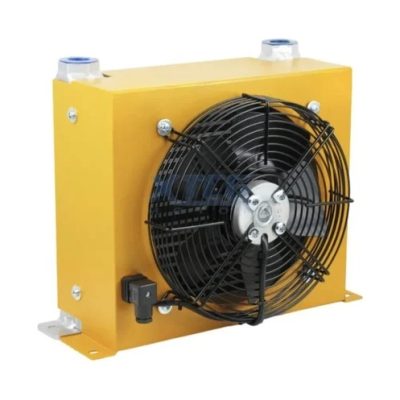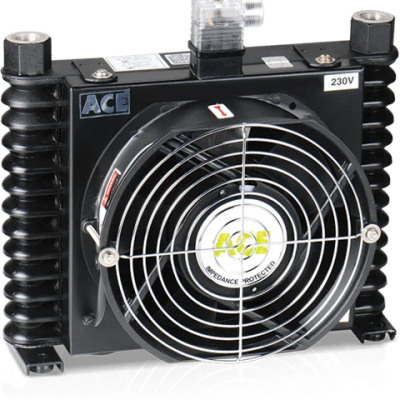


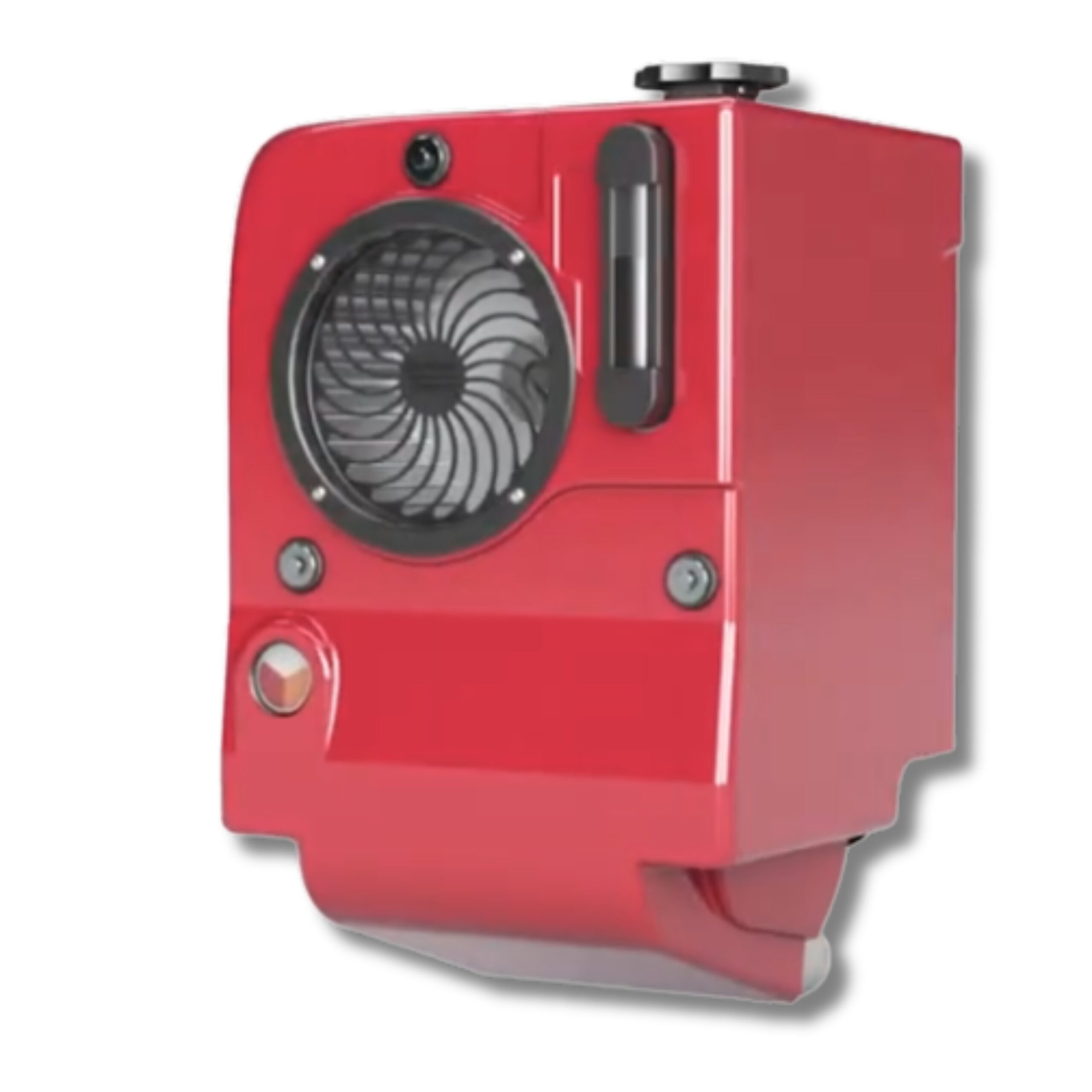
A hydraulic oil cooler is one of the most important components of any hydraulic system. It helps maintain the correct oil temperature, ensuring maximum efficiency, improved equipment performance, and longer component life. Hydraulic systems generate a significant amount of heat during operation. Without proper cooling, hydraulic oil can lose its viscosity, resulting in poor lubrication, increased wear, and reduced system performance.
Whether you operate industrial machinery, construction equipment, agricultural machines, or manufacturing systems, installing the right hydraulic oil cooler can significantly improve reliability and reduce maintenance costs. In this guide, you’ll learn everything about hydraulic oil coolers, including their working principle, advantages, types, applications, maintenance, and buying tips.
What Is a Hydraulic Oil Cooler?
A hydraulic oil cooler is a heat exchanger designed to remove excess heat from hydraulic oil. During machine operation, hydraulic fluid absorbs heat from pumps, valves, motors, and other components. The cooler transfers this heat to either air or water, allowing the oil to return to an ideal operating temperature.
Maintaining proper oil temperature is essential because excessive heat can damage seals, reduce oil quality, and shorten the lifespan of hydraulic components.
How Does a Hydraulic Oil Cooler Work?
The working principle of a hydraulic oil cooler is simple yet highly effective.
Hot hydraulic oil flows through the cooler’s internal passages while a cooling medium—either air or water—absorbs the heat. After cooling, the oil returns to the hydraulic reservoir and continues circulating throughout the system.
The cooling process helps maintain consistent hydraulic pressure, improves lubrication, and prevents overheating during continuous operation.
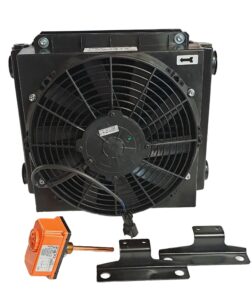
Why Is a Hydraulic Oil Cooler Important?
Hydraulic systems perform best within a specific temperature range. When temperatures rise above recommended levels, several problems may occur:
- Reduced hydraulic efficiency
- Oil oxidation
- Seal failure
- Increased component wear
- Pump damage
- Higher maintenance costs
- Unexpected equipment downtime
Using a quality helps eliminate these issues and ensures reliable machine performance.
Benefits of Using a Hydraulic Oil Cooler
1. Prevents Overheating
The primary purpose of a is to keep oil temperatures under control, preventing thermal damage.
2. Extends Equipment Life
Cool hydraulic oil protects pumps, cylinders, motors, and valves from premature wear.
3. Improves System Efficiency
Maintaining proper oil viscosity allows hydraulic systems to operate smoothly with minimal energy loss.
4. Reduces Maintenance Costs
Lower operating temperatures reduce the frequency of oil changes and component replacements.
5. Enhances Productivity
Machines operate continuously without overheating, increasing overall productivity.
6. Improves Oil Life
Hydraulic oil lasts longer when it operates within the recommended temperature range.
Types of Hydraulic Oil Coolers
Air-cooled models use a fan to blow air across cooling fins. Heat is transferred from the hydraulic oil to the surrounding air.
Advantages:
- Easy installation
- Low maintenance
- No water supply required
- Cost-effective
Best for:
- Mobile equipment
- Construction machinery
- Agricultural equipment
- Mining vehicles
Water-Cooled Hydraulic Oil Cooler
Water-cooled systems use water as the cooling medium. These provide excellent cooling efficiency for high-temperature applications.
Advantages:
- High cooling capacity
- Suitable for continuous industrial use
- Compact design
Best for:
- Manufacturing plants
- Industrial presses
- Plastic injection molding machines
- Marine applications
Common Applications
A hydraulic oil cooler is used in many industries, including:
- Construction equipment
- Excavators
- Cranes
- Forklifts
- Agricultural tractors
- Hydraulic power packs
- CNC machines
- Plastic molding machines
- Steel plants
- Marine hydraulic systems
- Mining equipment
- Industrial automation
Signs Your Hydraulic System Needs Better Cooling
Your hydraulic system may require a new hydraulic oil cooler if you notice:
- Oil temperature exceeding recommended limits
- Reduced hydraulic power
- Frequent machine shutdowns
- Burnt oil smell
- Pump noise
- Seal leakage
- Slow cylinder movement
- Increased oil consumption
Ignoring these warning signs can lead to expensive repairs.
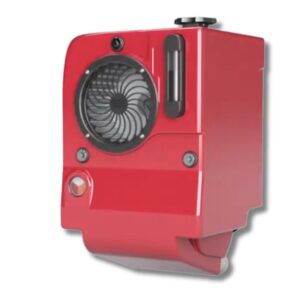
How to Choose the Right Hydraulic Oil Cooler
Selecting the correct hydraulic oil cooler depends on several factors.
Cooling Capacity
Choose a cooler capable of handling your system’s heat load.
Oil Flow Rate
Ensure the cooler supports your hydraulic system’s flow requirements.
Operating Temperature
Verify the maximum operating temperature of your equipment.
Pressure Rating
The cooler should withstand the hydraulic system’s operating pressure.
Installation Space
Measure the available installation area before purchasing.
Environmental Conditions
Consider dust, humidity, ambient temperature, and airflow.
Material Quality
High-quality aluminum and stainless steel offer better durability and corrosion resistance.
Hydraulic Oil Cooler Maintenance Tips
Proper maintenance keeps your working efficiently.
- Clean cooling fins regularly.
- Inspect hoses for leaks.
- Replace damaged seals immediately.
- Monitor oil temperature.
- Check fan operation.
- Flush water-cooled systems periodically.
- Maintain recommended oil levels.
- Replace hydraulic oil according to manufacturer guidelines.
Routine maintenance prevents costly downtime and extends equipment life.
Common Hydraulic Oil Cooler Problems
Even the best hydraulic oil cooler may experience issues over time.
Blocked Cooling Fins
Dust and debris reduce airflow, decreasing cooling performance.
Oil Leakage
Damaged seals or cracked hoses may cause hydraulic oil leaks.
Fan Failure
A faulty cooling fan can quickly lead to overheating.
Internal Blockage
Contaminated oil may clog internal passages, reducing heat transfer.
Corrosion
Poor-quality water or harsh environments can damage water-cooled units.
Regular inspection helps identify these issues before they become serious.
Factors Affecting Cooling Performance
Several factors influence the efficiency of a Hydraulic Oil Cooler
- Ambient temperature
- Oil flow rate
- Airflow
- Cooler size
- Oil cleanliness
- Pump efficiency
- Cooling fan performance
- System pressure
Optimizing these factors improves overall cooling efficiency.
Energy Efficiency and Cost Savings
An efficient hydraulic oil cooler helps reduce operating costs by lowering energy consumption and preventing equipment failures. Cooler hydraulic systems experience less friction, which reduces the workload on pumps and motors. This translates into lower electricity or fuel costs and improved machine performance over time.
Frequently Asked Questions
What is the ideal hydraulic oil temperature?
Most hydraulic systems perform best between 40°C and 60°C, though the exact range depends on the equipment manufacturer.
Can hydraulic oil overheat without a cooler?
Yes. Systems operating under heavy loads or in high-temperature environments can overheat without adequate cooling.
How often should a hydraulic oil cooler be cleaned?
Inspection should be done monthly, while cleaning frequency depends on the operating environment. Dusty conditions may require more frequent maintenance.
Which is better: air-cooled or water-cooled?
Air-cooled units are easier to install and maintain, while water-cooled units provide superior cooling for high-capacity industrial systems.