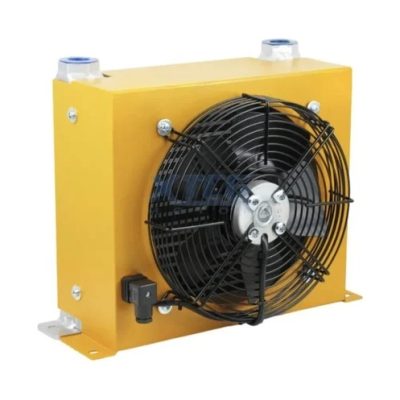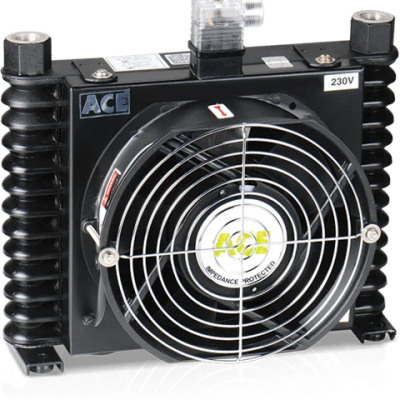


A Hydraulic Oil Cooler is one of the most important components in any hydraulic system. Whether used in industrial machinery, construction equipment, agricultural machines, or manufacturing plants, a Hydraulic Oil Cooler helps maintain the correct oil temperature for smooth and reliable operation.
Hydraulic systems generate a significant amount of heat during continuous operation. If this heat is not controlled, the hydraulic oil begins to lose its lubrication properties, causing excessive wear on pumps, valves, cylinders, and seals. Installing a high-quality prevents overheating, extends equipment life, and improves overall system performance.
In this guide, you’ll learn everything about a , including how it works, its benefits, different types, applications, maintenance tips, and how to choose the best cooler for your hydraulic system.
What Is a Hydraulic Oil Cooler?
A Hydraulic Oil Cooler is a heat exchanger designed to remove excess heat from hydraulic oil. During operation, hydraulic oil absorbs heat from pumps, motors, and other hydraulic components. The Hydraulic Oil Cooler transfers this heat to air or water, keeping the oil within the recommended operating temperature.
Maintaining the correct oil temperature is essential because overheated hydraulic oil loses viscosity, reduces lubrication efficiency, and increases the risk of equipment failure.
Why Is a Hydraulic Oil Cooler Important?
Hydraulic systems operate under high pressure and heavy loads. Continuous use causes hydraulic oil to heat up rapidly. Without an efficient excessive heat can damage the entire hydraulic system.
A properly selected Hydraulic Oil Cooler offers several advantages:
- Prevents hydraulic oil overheating
- Improves equipment performance
- Extends hydraulic component life
- Reduces maintenance costs
- Minimizes machine downtime
- Maintains oil viscosity
- Increases operational efficiency
- Enhances system reliability
For industries that rely on hydraulic machinery, a Hydraulic Oil Cooler is not just an accessory—it is a necessity.
How Does a Hydraulic Oil Cooler Work?
Aworks by transferring heat from hydraulic oil to another cooling medium.
The process is simple:
- Hot hydraulic oil enters the cooler.
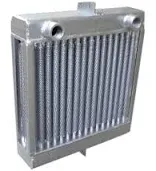
- Heat passes through metal tubes or plates.
- Air or water absorbs the heat.
- Cooled hydraulic oil returns to the hydraulic system.
This continuous cooling cycle maintains an optimal operating temperature and protects hydraulic components from heat-related damage.
Types of Hydraulic Oil Cooler
An air-cooled uses ambient air and an electric or hydraulic fan to cool hydraulic oil.
Advantages:
- Easy installation
- Low maintenance
- No water supply required
- Ideal for mobile equipment
- Energy efficient
Applications include excavators, cranes, forklifts, tractors, and industrial machines.
Water-Cooled Hydraulic Oil Cooler
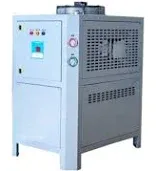
A water-cooled uses circulating water to remove heat from hydraulic oil.
Benefits include:
- Higher cooling efficiency
- Suitable for continuous operation
- Excellent for high-temperature environments
- Compact design
These coolers are commonly used in factories, marine systems, steel plants, and heavy manufacturing industries.
Applications of Hydraulic Oil Cooler
A widely used across multiple industries where hydraulic systems operate continuously.
Common applications include:
- Construction equipment
- Hydraulic presses
- Injection molding machines
- Agricultural machinery
- Mining equipment
- Marine hydraulic systems
- CNC machines
- Industrial automation
- Power plants
- Material handling equipment
No matter the industry, a Hydraulic Oil Cooler helps maintain consistent machine performance.
Benefits of Using a Hydraulic Oil Cooler
Improved Equipment Life
A reduces heat stress on hydraulic components, extending the lifespan of pumps, seals, motors, and valves.
Better Hydraulic Efficiency
Proper oil temperature ensures smooth hydraulic operation, faster response times, and consistent system pressure.
Reduced Maintenance Costs
Overheated oil causes faster wear and contamination. A helps minimize repairs and maintenance expenses.
Lower Downtime
Unexpected equipment failure can interrupt production. A significantly reduces breakdowns caused by overheating.
Energy Savings
Maintaining the correct oil temperature reduces system strain, helping equipment operate more efficiently and consume less energy.
Signs You Need a Hydraulic Oil Cooler
If your hydraulic system experiences any of the following problems, it may require a larger cooling capacity.
- Hydraulic oil temperature is too high.
- Machine performance decreases.
- Pumps become noisy.
- Oil changes become frequent.
- Hydraulic seals fail regularly.
- Equipment shuts down due to overheating.
- Hydraulic oil darkens quickly.
- System efficiency decreases.
Ignoring these warning signs can lead to expensive repairs.
How to Choose the Best Hydraulic Oil Cooler
Selecting the right depends on several important factors.
Cooling Capacity
Choose a cooler capable of removing the required amount of heat generated by your hydraulic system.
Flow Rate
Ensure the Hydraulic Oil Cooler supports the system’s oil flow without causing excessive pressure drop.
Operating Temperature
Consider both maximum oil temperature and surrounding environmental conditions.
Pressure Rating
The Hydraulic Oil Cooler should withstand your hydraulic system’s operating pressure safely.
Installation Space
Measure available installation space before selecting the cooler size.
Maintenance Requirements
Choose a Hydraulic Oil Cooler that allows easy cleaning and maintenance for long-term reliability.
Hydraulic Oil Cooler Maintenance Tips
Proper maintenance keeps a operating efficiently.
Maintenance checklist:
- Clean cooling fins regularly.
- Inspect fans for proper operation.
- Check for oil leaks.
- Monitor oil temperature.
- Replace damaged hoses.
- Clean water passages if using water-cooled models.
- Check mounting bolts.
- Follow manufacturer maintenance schedules.
Routine maintenance extends the life of both the Hydraulic Oil Cooler and the hydraulic system.
Common Hydraulic Oil Cooler Problems
Even high-quality equipment can develop issues over time.
Common problems include:
- Blocked cooling fins
- Fan motor failure
- Internal clogging
- Oil leakage
- Corrosion
- Reduced airflow
- Water contamination
- Damaged heat exchanger tubes
Regular inspections help identify these issues before they become major failures.
Industries That Depend on Hydraulic Oil Cooler
Many industries rely heavily on for reliable daily operations.
These industries include:
- Manufacturing
- Automotive
- Mining
- Agriculture
- Construction
- Marine
- Oil and gas
- Steel production
- Material handling
- Industrial automation
Without an efficient hydraulic equipment in these industries would face frequent overheating and costly downtime.
Future of Hydraulic Oil Cooler Technology
Modern technology continues to evolve with improved heat exchanger designs, energy-efficient cooling fans, smart temperature monitoring, and compact construction. Many manufacturers now integrate sensors that monitor oil temperature in real time, helping operators prevent overheating before it affects performance.
These innovations improve reliability while reducing maintenance costs and energy consumption.
Conclusion
A essential component for maintaining hydraulic system performance, efficiency, and reliability. By controlling oil temperature, it protects expensive hydraulic components, reduces maintenance costs, minimizes downtime, and increases equipment lifespan.