

Introduction
A hydraulic oil cooler is one of the most important components in any hydraulic system. It helps maintain the ideal operating temperature of hydraulic oil, ensuring smooth machine performance, longer equipment life, and lower maintenance costs. Whether you use hydraulic machinery in construction, manufacturing, agriculture, mining, or industrial applications, installing a high-quality hydraulic oil cooler can significantly improve system efficiency.
Hydraulic systems generate a considerable amount of heat during operation. If this heat is not controlled, it can damage seals, reduce oil quality, increase wear on components, and lead to expensive downtime. A reliable hydraulic oil cooler removes excess heat from the hydraulic fluid, allowing the system to perform consistently even under demanding working conditions.
This guide explains everything you need to know about hydraulic oil coolers, including how they work, their benefits, different types, applications, maintenance tips, and how to choose the right model for your hydraulic system.
What Is a Hydraulic Oil Cooler?
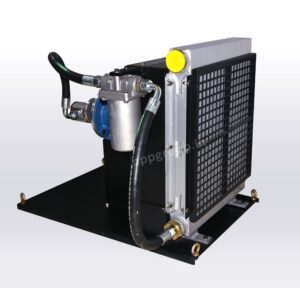
A hydraulic oil is a heat exchanger specifically designed to reduce the temperature of hydraulic oil. As hydraulic fluid circulates through pumps, valves, cylinders, and motors, friction creates heat. The oil cooler transfers this heat to either air or water, keeping the hydraulic oil within the recommended operating temperature.
Maintaining the correct oil temperature is essential because overheated hydraulic oil loses its lubrication properties, reducing system efficiency and increasing the risk of component failure.
Why Is a Hydraulic Oil Cooler Important?
Using provides several important benefits for hydraulic systems.
First, it prevents overheating by maintaining a stable oil temperature. This helps hydraulic pumps and motors operate efficiently even during continuous operation.
Second, it extends hydraulic oil life. High temperatures accelerate oil oxidation, reducing lubrication quality. Proper cooling slows this process and reduces oil replacement costs.
Third, a hydraulic oil cooler protects expensive hydraulic components. Lower temperatures reduce wear on seals, hoses, valves, bearings, and cylinders.
Another major benefit is improved machine performance. When hydraulic oil remains at the correct temperature, pressure remains stable, resulting in smoother and more reliable operation.
Finally, a hydraulic oil cooler reduces maintenance costs by preventing overheating-related failures and minimizing unexpected downtime.
How Does a Hydraulic Oil Cooler Work?
The working principle of a is simple yet highly effective.
Hot hydraulic oil leaves the hydraulic system and flows through the cooler. Inside the cooler, heat transfers through metal tubes or plates. Depending on the cooler type, either air or water removes this heat.
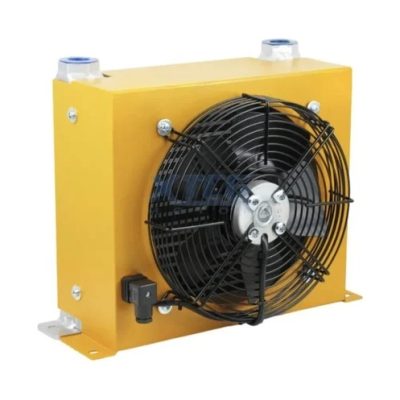
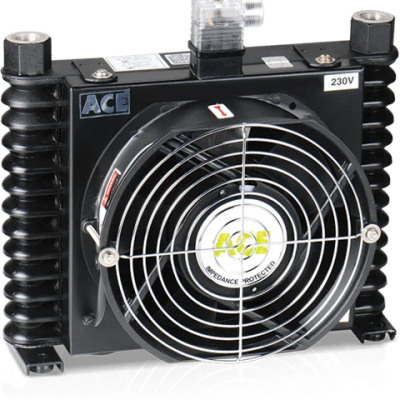
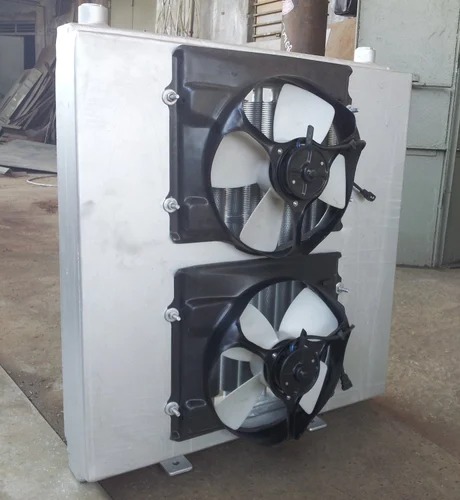
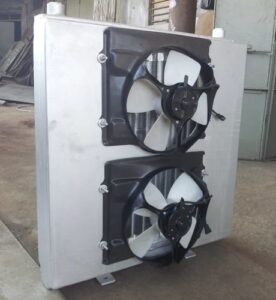
In an air-cooled hydraulic oil cooler, a fan forces air across cooling fins, carrying away heat from the hydraulic oil.
In a water-cooled hydraulic oil cooler, cold water flows around the internal tubes, absorbing heat much faster than air.
After cooling, the hydraulic oil returns to the hydraulic reservoir, ready to circulate through the system again.
This continuous cooling cycle maintains optimal operating temperatures throughout machine operation.
Types of Hydraulic Oil Coolers
Air-Cooled Hydraulic Oil Cooler
An air-cooled uses a fan to blow air across aluminum cooling fins. It is widely used because it is easy to install, requires minimal maintenance, and does not require a water supply.
Advantages include simple installation, low operating cost, and suitability for outdoor applications.
Water-Cooled Hydraulic Oil Cooler
A water-cooled transfers heat using water. It provides excellent cooling efficiency and is commonly installed in factories where water is readily available.
These coolers are ideal for heavy-duty industrial applications requiring continuous cooling.
Plate Hydraulic Oil Cooler
Plate coolers use stacked metal plates to maximize heat transfer efficiency. Their compact design makes them suitable for installations where space is limited.
Shell and Tube Hydraulic Oil Cooler
Shell and tube coolers are designed for high-pressure hydraulic systems. They offer excellent durability and long service life in demanding industrial environments.
Applications of Hydraulic Oil Coolers
A hydraulic oil cooler is used across many industries because hydraulic systems generate heat in almost every application.
Common industries include:
- Construction equipment
- Excavators
- Bulldozers
- Agricultural tractors
- Harvesters
- CNC machines
- Hydraulic presses
- Injection molding machines
- Mining equipment
- Marine hydraulic systems
- Material handling equipment
- Industrial manufacturing plants
- Power generation systems
- Mobile hydraulic machinery
Regardless of the industry, maintaining hydraulic oil temperature improves machine reliability and operational efficiency.
Benefits of Installing a Hydraulic Oil Cooler
Choosing the right provides several long-term advantages.
It increases equipment lifespan by reducing thermal stress on hydraulic components.
It improves energy efficiency because hydraulic pumps perform better with properly cooled oil.
It reduces hydraulic oil degradation, allowing longer service intervals.
It minimizes equipment downtime by preventing overheating-related failures.
It supports continuous operation in demanding industrial environments.
It improves overall hydraulic system performance while reducing maintenance expenses.
How to Choose the Right Hydraulic Oil Cooler
Selecting the correct hydraulic oil cooler depends on several important factors.
Cooling Capacity
Calculate the amount of heat generated by your hydraulic system. Choose a cooler capable of removing that heat efficiently.
Flow Rate
Ensure the hydraulic oil cooler supports your system’s oil flow rate without causing excessive pressure drop.
Operating Pressure
Select a cooler rated for your hydraulic system’s maximum operating pressure.
Ambient Temperature
Machines operating in hot climates require larger cooling capacity compared to cooler environments.
Installation Space
Consider the available mounting space before choosing between compact plate coolers or larger air-cooled models.
Maintenance Requirements
Choose a that allows easy cleaning and maintenance for long-term reliability.
Hydraulic Oil Cooler Maintenance Tips
Proper maintenance helps maximize the performance and lifespan
Clean cooling fins regularly to remove dust, dirt, and debris.
Inspect hydraulic hoses for leaks.
Monitor hydraulic oil temperature during operation.
Replace damaged seals immediately.
Flush water-cooled systems periodically to remove scale buildup.
Check fan motors for proper operation.
Use clean hydraulic oil according to manufacturer recommendations.
Regular inspections help identify potential issues before they become expensive repairs.
Signs Your Hydraulic Oil Cooler Needs Replacement
Several warning signs indicate that your may require replacement.
Frequent hydraulic system overheating.
Visible oil leakage around the cooler.
Blocked or damaged cooling fins.
Reduced cooling efficiency.
High hydraulic oil temperature alarms.
Corrosion inside water-cooled units.
Unusual pressure drops.
Replacing a failing hydraulic oil cooler promptly helps avoid major hydraulic system failures.
Common Hydraulic Oil Cooler Problems
Although are highly reliable, they can develop issues over time.
Dirty cooling fins reduce airflow.
Internal blockage restricts oil flow.
Fan motor failure decreases cooling performance.
Corrosion affects heat transfer efficiency.
Water leakage in water-cooled units reduces cooling efficiency.
Routine maintenance significantly reduces these problems.
Why Quality Matters When Buying a Hydraulic Oil Cooler
Investing in a high-quality offers better long-term value than purchasing cheaper alternatives.
Premium coolers provide better heat transfer, stronger construction, corrosion resistance, longer service life, improved energy efficiency, and lower maintenance costs.
Always choose products manufactured using high-quality aluminum, stainless steel, or copper materials that meet industrial quality standards.